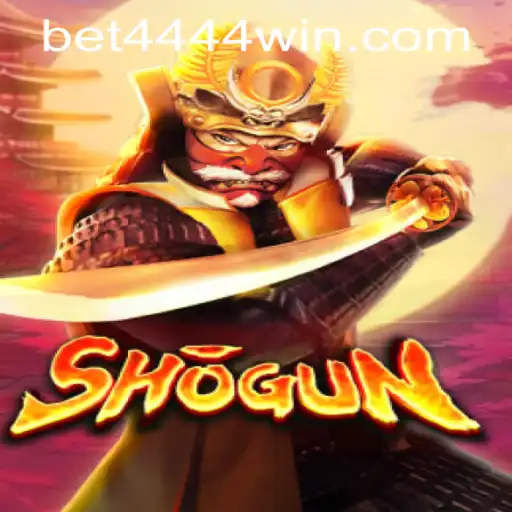
Understanding Shogun: The Strategy Game
Shogun is a renowned strategy game that combines elements of board play and tactical planning, set against a backdrop reminiscent of feudal Japan. The game immerses players in the role of warlords or daimyo, who aim to expand their influence and control through strategic planning, resource management, and military prowess.
The Story Behind Shogun
Shogun draws its inspiration from the historical period of Japan when regional rulers known as daimyo fought for power and influence under the rule of the Shogun. The game captures the essence of this period with its intricate themes and engaging mechanics. Players must navigate through various challenges to unite Japan under their leadership.
The Basics of Gameplay
Shogun is designed for multiple players who each take on the role of a daimyo. The main objective is to accumulate points through strategic conquests, resource management, and loyal alliances. Each player starts with a certain number of provinces and aims to expand their territory by the end of the game.
Game Components
The game includes a beautifully designed board representing different regions of Japan, resource cards, army tokens, and a unique conflict resolution mechanism that involves a cube tower. The cube tower acts as both a randomizer and a storage system that determines the outcome of battles in an unpredictable manner.
How to Play Shogun
Each game of Shogun unfolds over a series of rounds, each representing a different season in Japan. Players must efficiently manage their resources and armies to implement their strategies successfully. A typical game round includes phases such as planning, resolving battles, collecting income, and securing new territories.
Planning Phase
During the planning phase, players secretly decide their actions for the round, which may include allocating resources to different provinces, planning attacks, or strengthening defenses. Planning is critical, as it requires anticipation of opponents' moves and long-term strategic foresight.
Battle Resolution
Battles are a significant aspect of Shogun, and players resolve them using the cube tower. Army strength, depicted by colored cubes, is dropped into the tower, and the cubes that emerge determine the battle's outcome. This adds an element of surprise and strategy, as players must adapt to changing battlefield conditions.
Current Trends in Strategy Games
The world of strategy games is continually evolving, with players seeking more immersive and complex experiences. Games like Shogun are gaining popularity among enthusiasts who appreciate historical settings and tactical depth. The integration of digital platforms and online communities further enriches the experience by allowing gamers to connect and compete globally.
Introduction to Online Features
With the rise of digital technology, Shogun has seen a renewed interest through online platforms. Many players are searching for terms such as 4444win PH Login, indicating a trend towards digital adaptations of traditional board games. These platforms offer accessibility, allowing players to engage with Shogun anytime and anywhere.
Online features include tutorials, competitive leaderboards, and the ability to play with friends remotely. These options make Shogun accessible to a broader audience, ensuring its legacy continues and thrives in the digital age.
The Appeal of Shogun
Shogun's appeal lies in its combination of strategy, luck, and historical storytelling. Players who enjoy a challenge will find themselves drawn to its complex mechanics and the opportunity to outthink their opponents. The game's blend of planning and execution appeals to strategic minds looking for competitive and engaging play.
Tips for New Players
For those new to Shogun, understanding the balance between expansion and defense is vital. It is crucial to manage resources wisely and maintain flexibility in strategy to adapt to the ever-changing game state. Building alliances can be an effective tactic, but players must be wary of potential betrayals.